
Collection Box Sensor
Stop collecting empty boxes. Collection Box Sensor gives postal operators real-time visibility into every collection box on the network — enabling data-driven route optimization that cuts fleet costs, reduces emissions, and improves service quality.

The Problem: Blind Collection Routes
National postal operators across Europe manage tens of thousands of outdoor collection postboxes. The current collection process is based on fixed schedules — every box is visited at the same frequency, regardless of actual usage.
The result:
- 40–60% of collection stops are wasted — the driver opens an empty or near-empty box, and moves on
- High-volume boxes overflow before scheduled collection, causing citizen complaints and lost mail
- No data exists for strategic network planning — operators don’t know which boxes are heavily used and which should be relocated or removed
- Rising operational costs — fuel, labor, and fleet maintenance for routes that haven’t been optimized in decades
Industry benchmark: A typical urban postal route covers 80–150 collection boxes per shift. At an average operational cost of €2.50–4.00 per stop (fuel, wear, labor), a single route accumulates €70,000–120,000/year in collection costs — of which €30,000–50,000 is spent collecting empty boxes.
The Solution: Real-Time Occupancy Intelligence
Collection Box Sensor is a compact, battery-powered IoT device that installs inside any standard collection postbox in under 5 minutes — no wiring, no drilling, no modifications to the box.
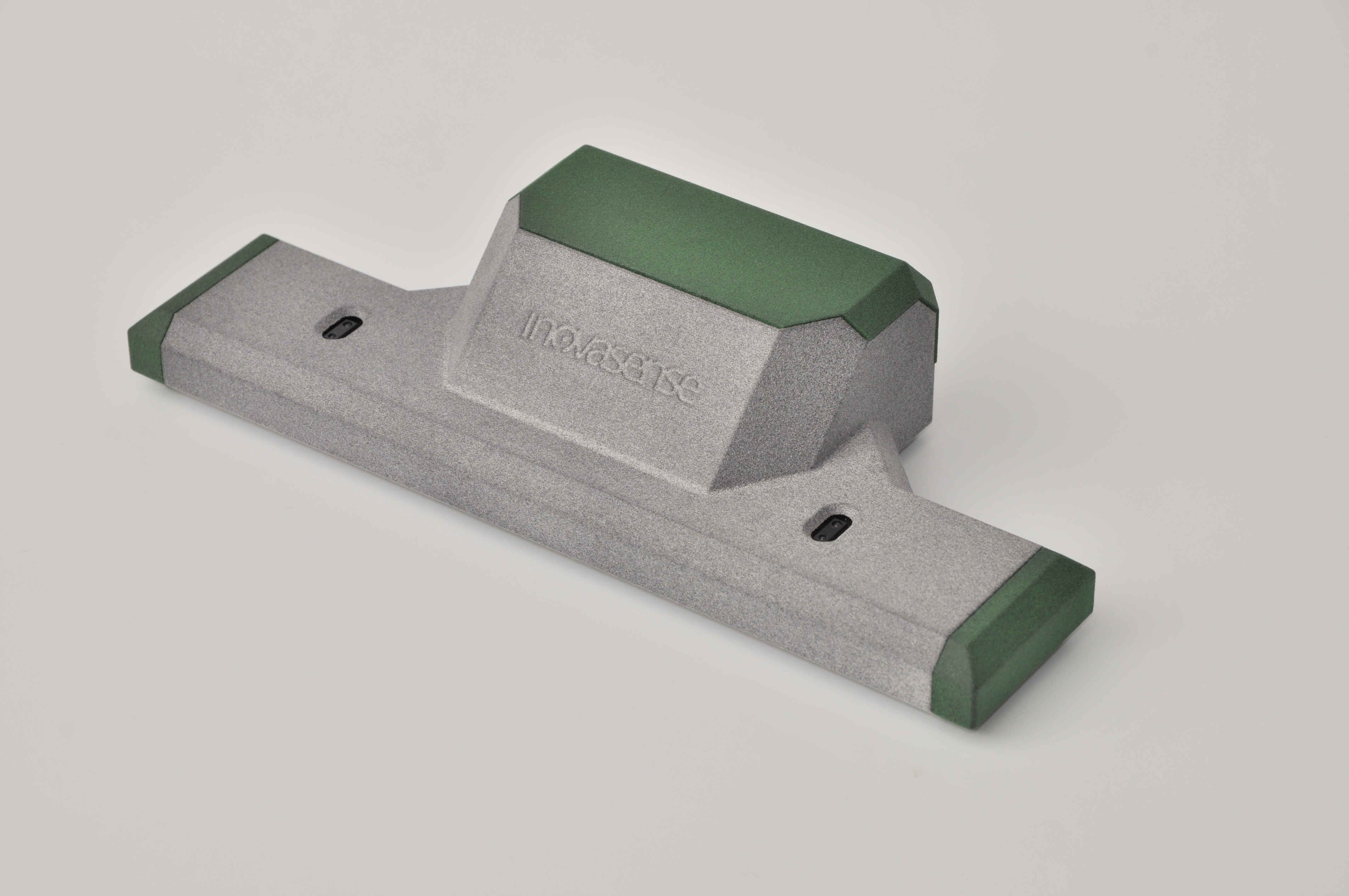
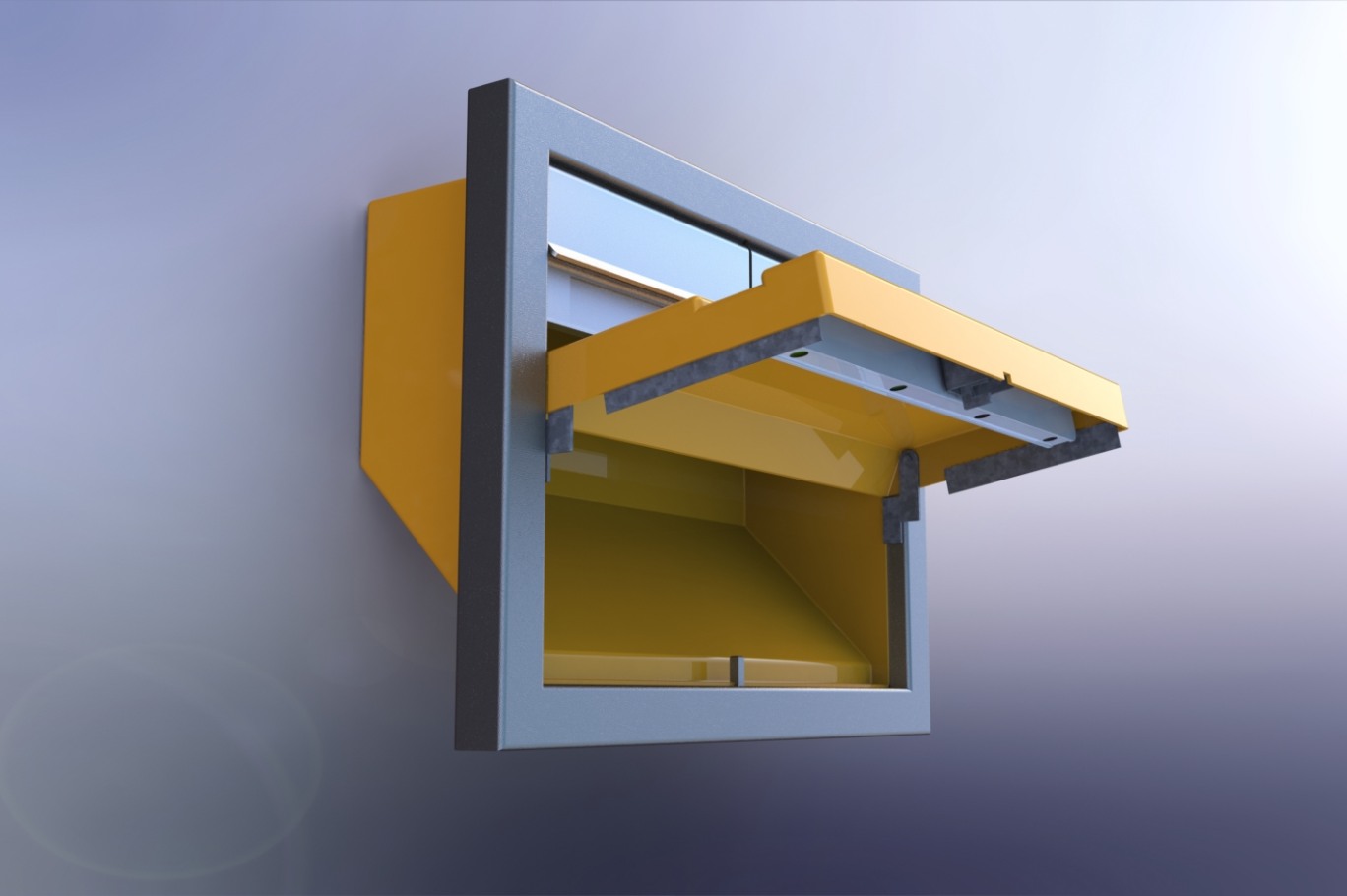
What It Detects
| Event | Description | Use Case |
|---|---|---|
| 📬 Mail Inserted | Real-time notification when mail enters the box | Trigger demand-driven collection |
| 🔢 Fill Level | Approximate item count inside the box | Priority routing — full boxes first |
| 📭 Box Emptied | Logs when the collection door is opened | Driver compliance, SLA verification |
| 🔋 Status | Device health, battery, signal quality | Predictive maintenance of the sensor fleet |
How It Transforms Postal Operations
1. Dynamic Route Optimization
Instead of static collection schedules, dispatchers receive a real-time dashboard showing which boxes have mail and which are empty. Routes are generated dynamically — only boxes that need collection are visited.
2. Overflow Prevention
High-volume boxes — at transit hubs, business districts, and tourist areas — can fill up before the next scheduled collection. With real-time monitoring, the system automatically flags full boxes and inserts them into the next available route, preventing overflow, lost mail, and citizen complaints.
3. Fleet & Fuel Reduction
Fewer stops per route means:
- Shorter driving distance — 30–40% fewer kilometers per collection shift
- Lower fuel consumption — direct CO₂ reduction aligned with EU Green Deal targets
- Reduced vehicle wear — less stop-start cycles, less brake wear, longer fleet lifecycle
- Potential fleet downsizing — the same territory can be covered by fewer vehicles
4. Labor Efficiency in a Shrinking Workforce
Postal operators across Europe face a structural labor crisis. Driver wages are rising 3–5% year-over-year, while qualified candidates are increasingly scarce. The average age of collection drivers is climbing, and retirement waves are hitting faster than new hires can be trained.
Smart collection eliminates the need to scale headcount alongside network growth:
- 36% fewer driver-hours needed — existing staff cover the same territory without overtime
- No additional hiring to maintain service levels as mail patterns shift
- Reduced training burden — data-driven routes are simpler to follow than memorized static schedules
- Wage cost insulation — as salaries rise 3–5% annually, savings from eliminated hours compound year over year
Rising cost pressure: With EU postal sector wages growing at 3–5% per year, a driver costing €35,000/year today will cost €42,000–46,000 in 5 years. Every driver-hour eliminated today saves more tomorrow. For a 50-driver fleet, sensor-driven optimization prevents the need to hire 8–12 additional drivers over the next decade — a cumulative saving of €2–4 million in avoided labor costs alone.
5. Driver Compliance & SLA Verification
Every box opening is logged with a timestamp. Operators can verify:
- That every box was actually opened (not just driven past)
- Collection frequency compliance with regulatory obligations
- Average dwell time per stop for labor optimization
6. Strategic Network Planning
After 6–12 months of data collection, a clear picture emerges:
- Which boxes are underutilized and can be removed, saving maintenance costs
- Which locations need additional boxes based on actual mail insertion volume
- Seasonal and weekly patterns — adjust collection schedules for holidays, weekdays, special events
- Neighborhood migration trends — mail volume shifts reflect population and business dynamics
Business Impact
Example: 5,000-box postal network
| Metric | Before | After | Savings |
|---|---|---|---|
| Collection stops/day | 5,000 | ~2,000 | 3,000 stops eliminated |
| Fleet km/day | ~8,000 km | ~5,000 km | 3,000 km saved |
| Fuel cost/year | €480,000 | €300,000 | €180,000/year |
| Driver hours/year | 62,500 h | 40,000 h | 22,500 hours freed |
| Labor cost/year (@€18/h) | €1,125,000 | €720,000 | €405,000/year |
| Avoided new hires (5yr) | 8–12 drivers | 0 | €280,000–420,000 saved |
| Overflow complaints | Weekly | Near-zero | Improved citizen satisfaction |
| CO₂ emissions/year | ~520 t | ~325 t | ~195 tonnes CO₂ reduced |
5-year total savings projection (5,000 boxes): Fuel savings (€900K) + labor cost reduction (€2.0M) + avoided hiring (€350K) + fleet maintenance savings (€200K) = ~€3.5 million over 5 years, with ROI payback typically achieved within the first 12–18 months of deployment.
Technical Specifications
| Parameter | Specification |
|---|---|
| Connectivity | NB-IoT (EU cellular) · BLE 5.3 (local config) |
| Legacy Support | Sigfox LPWAN (Gen 1 — discontinued) |
| Detection | Proprietary optical sensor algorithm |
| Events | Initialized, mail inserted (approx. count), box emptied |
| Battery Life | 1–2 years (standard) · extended options available |
| Operating Temp | −20 °C to +60 °C |
| Installation Time | < 5 minutes, no tools required |
| Enclosure | IP54, ruggedized for outdoor postal infrastructure |
| Certifications | CE / RED |
Privacy & Compliance
The sensor is designed with postal-grade privacy standards:
- No cameras, no microphones — zero personal data capture
- Fully GDPR compliant — detects physical events only, with no ability to identify mail content or sender
- Data sovereignty — all telemetry routed through EU data centers, no third-country data transfers
- Operator-owned data — all usage data belongs to the postal operator, stored on their infrastructure or our EU cloud
Deployment Model
| Available For | National postal operators, municipal mail services, logistics providers |
| Minimum Order | 2,000 units |
| Customization | Enclosure, branding, connectivity module, cloud platform integration |
| Integration | REST API for integration with existing fleet management and route planning systems |
| Support | SLA-based maintenance contracts, firmware OTA updates |
| Lead Time | Upon agreement |
Already Deployed
The Collection Box Sensor was originally listed on the Sigfox Partner Network and deployed by national postal operators for collection process optimization. Following the Sigfox network discontinuation, the sensor has been redesigned for NB-IoT cellular connectivity — offering broader coverage, faster notifications, and integration with existing cellular infrastructure.
Request a Pilot Program
We offer pilot deployments of 50–200 sensors for proof-of-concept validation on your existing routes. Includes cloud dashboard, API integration support, and ROI analysis report.
Contact Our Team →